(510) 500-5598
 info@toppinoledental.com


Invisalign vs Braces: Which Is Right for You?
February 3, 2026
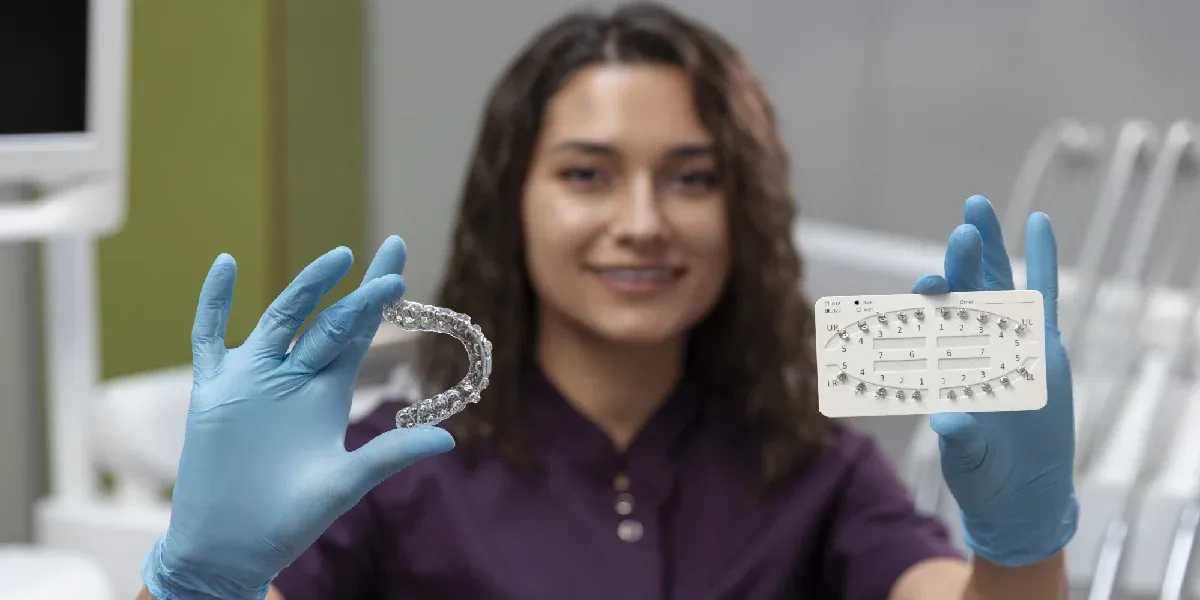
It may be difficult to select the correct orthodontic treatment and especially with the current services currently available, such as Invisalign and traditional braces. The residents of Pinole and its surroundings tend to consider aesthetics, comfort, outcomes, and everyday lifestyle. The two are equally effective in straightening teeth; however, these two methods are different, as are their modes of operation, their feel, and their place in everyday life.
As an adult who cares about how you may look in the office, a teenager going through school, or an individual who may want to take care of their teeth long-term, it is important to understand the differences between Invisalign and braces in order to have a strong and confident smile. The American Association of Orthodontists has indicated that nearly 27% of the individuals who receive orthodontic treatment do so annually in the U.S. and that more than 4 million individuals receive orthodontic care annually. This demonstrates that orthodontics is no longer only teen-friendly, but it is a procedure that is friendly to everyone who desires to have a healthier and more appealing smile.
Advantages of Invisalign and Braces
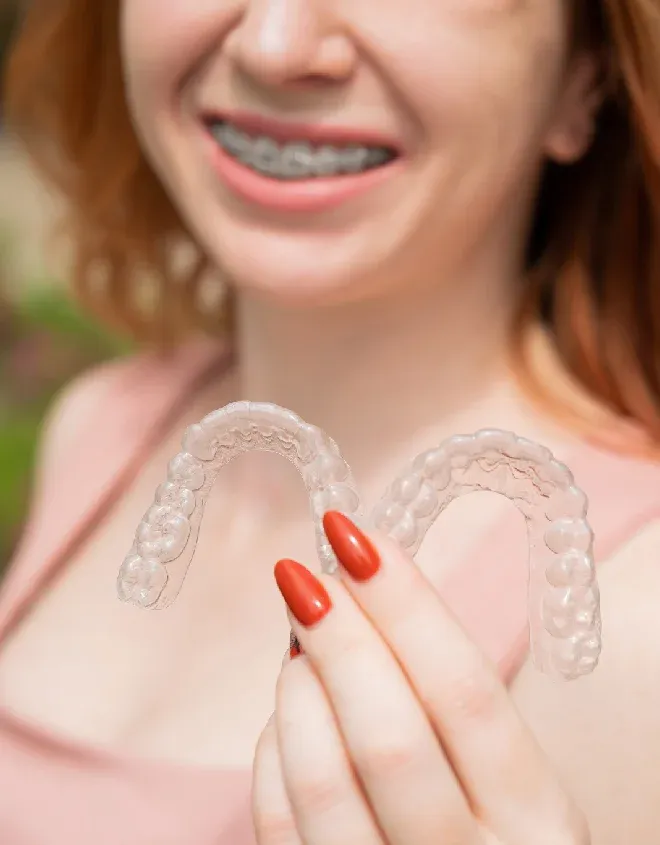
Invisalign resembles almost invisible. Clear aligners are inconspicuous and thus are popular in adults and teens who prefer covert treatment. They are removable and hence provide ease in eating, brushing, and flossing. Invisalign is more comfortable than braces to many patients, and research has indicated that more than 70% of adult orthodontic patients like the aesthetics and convenience of clear aligners. Invisalign is also flexible for people with a busy schedule as it gives them more room during meals and oral maintenance.
Conventional braces are very strong and can be used to treat numerous misalignments, including serious bite issues, which can never be treated through clear aligners. The braces are attached to the teeth; therefore, outcomes are not as dependent on patient compliance as with Invisalign. Braces made of metal or ceramics offer accuracy in the movements of the teeth, and even today, thousands of orthodontists still use them in complex cases. Ceramic braces are not noticeable, being of the same color as the natural tooth, but they are just as effective in correcting as metal braces.
Consistency is the major advantage of braces. Braces, unlike removable aligners, work 24/7. The patient does not need to remind oneself he/she needs to wear them. This may render them the perfect choice of teenagers or adults who may not be able to stick to the rigid schedule of Invisalign in terms of wearing.

Disadvantages to Consider Before Choosing Treatment
Even good therapies have costs. Discipline is needed in Invisalign. The aligners are required to be put on a total of 20 to 22 hours a day. The absence of hours or the loss of trays may slow down treatment. Other patients report slight pain in changing their aligners to a new set, which normally disappears in a day or two.
On the contrary, oral hygiene may be complicated by braces. There are some foods that should be avoided like sticky or hard foods that may break brackets or wires. It requires additional effort to thoroughly clean teeth around brackets, and some patients report their cheeks rubbing or the gum being irritated. Treatment cost does not only depend on the kind of appliance but on complexity and length as well. Severe misalignments can also necessitate more appliances or time of treatment that can also be costly and time intensive.
Orthodontic Treatment Process Overview
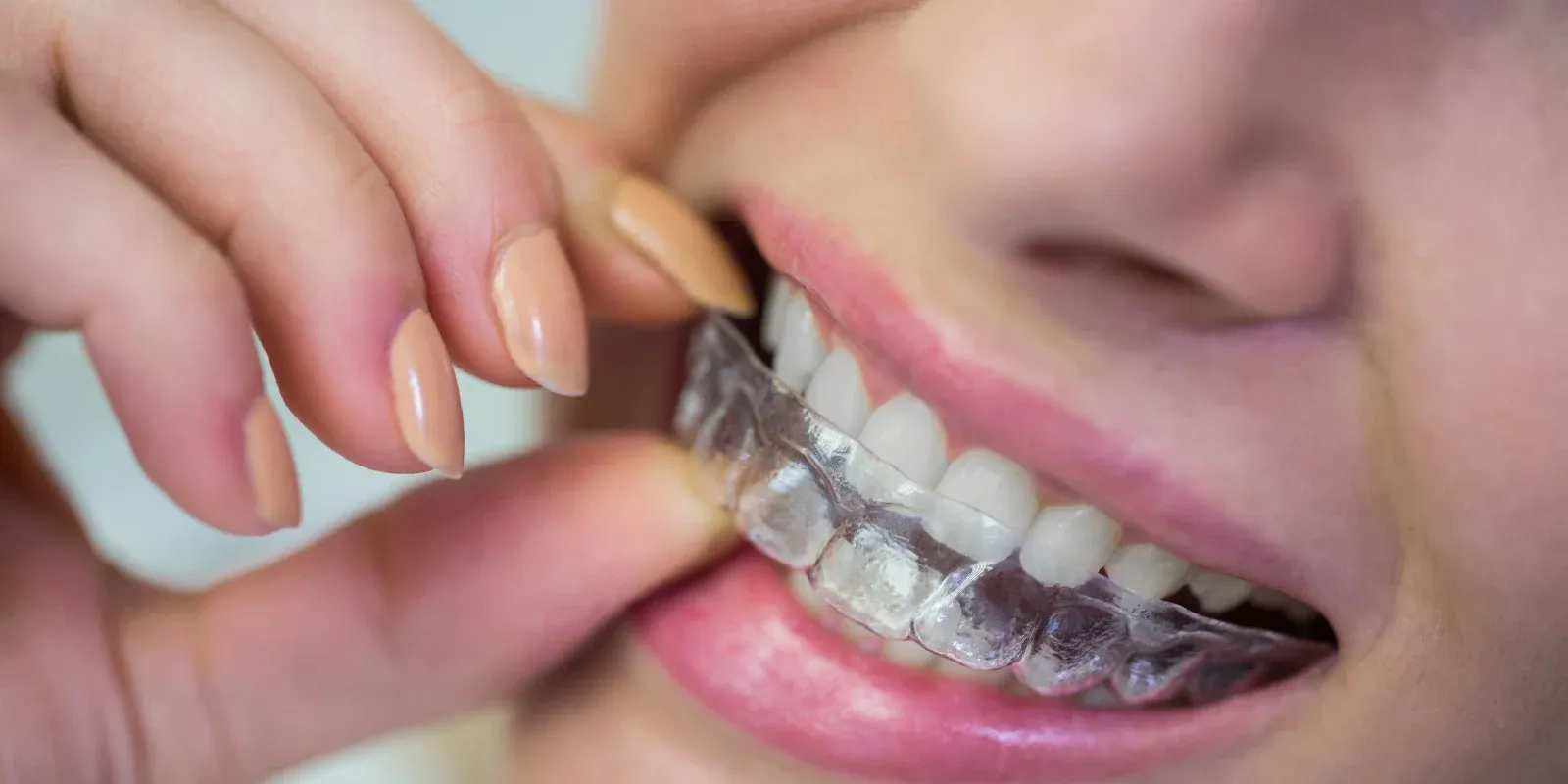
The Invisalign is a slow movement of teeth through a process of clear aligners that are custom-made. The first phase of treatment entails scanning or modeling of teeth using digital scanners. Aligners are worn between one to two weeks, and they slowly move their teeth bit by bit. Most patients only complain of some minor discomfort which generally gets cured easily. The transparent containers are taken out to eat and clean, and daily life is made flexible.
Braces involve the use of metal or ceramic brackets which are fixed on the teeth joined together using the wires. Dentists periodically bend the wires in order to have consistent pressure, which slowly shifts the teeth. Braces are both effective throughout the day and night, hence they are also effective when there are complex alignment problems. Although they might not be as comfortable as removable aligners, they do not need as much compliance with the patient.
Investigations have indicated that mild- and moderate-cases of Invisalign take an average of 12-18 months to be treated (like braces). Nevertheless, in the case of severe bite corrections or severe crowding, the traditional braces might give quicker results.
Comparing Treatment Steps: Invisalign and Braces
In the case of Invisalign, a patient is provided with several aligners that are tailored to their course of treatment. The aligner is changed after every 1-2 weeks, shifting the teeth. It is easy to eat, brush and floss as the aligners can be removed. Most patients complain of little discomfort throughout the procedures with a minor pang of pain when changing the aligners, which disappears soon.
Using braces, the wires and brackets are fixed on the teeth. The changes are done after every 4-6 weeks, and this shifts the teeth slowly to the required positions. Although they are more difficult to clean and maintain, braces can be continuously corrected without patient compliance.
Relative to its performance, research indicates that Invisalign is capable of appropriately adjusting as much as 90 per cent of orthodontic conditions, such as crowding, spacing, and minor bite problems. In severe cases of malocclusions, braces are the most preferable tools since they provide more control.
Expert Insight on Choosing the Right Option
Orthodontists focus on the fact that the choice of treatment is based on personal needs. Factors to consider include:
- Degree of misalignment.
- Habits and capacity to comply with treatment guidelines on a daily basis.
- Aesthetics and living standards are desired.
Professional consultation is a guarantee that the treatment to be chosen fits your goals, oral health, and lifestyle. Braces may be a better option than Invisalign to adults seeking a discrete way to treat their teeth, whereas teens or patients with complicated cases of dental issues might find braces easier.
Conclusion
Invisalign and braces are both effective means by which one can have a straighter and healthier smile. Invisalign will suit those patients that prefer removable aligners that are not noticeable and are willing to wear them regularly. The better choice is complex cases or patients who prefer a set it and forget it approach.
Learning about the advantages and disadvantages of each option and the way they are treated will enable the patients to make informed choices. To find out which orthodontic treatment is right for you, schedule a consultation with Top Pinole Dental and start your journey toward a straighter, healthier, and more confident smile today.
Contact your dentist today in Pinole, Dr. Hosseini, at Top Pinole Dental, to learn more about Invisalign vs Braces: Which Is Right for You?
Resource:
Invisalign Pain and Discomfort: Tips to Manage Soreness and Adjust Comfortably
Disclaimer
This media/content or any other on this website does not prescribe, recommend, or prevent any treatment or procedure. Therefore, we highly recommend that you get the advice of a qualified dentist or other medical practitioners regarding your specific dental condition.
Keep Reading
Related Posts