(510) 500-5598
 info@toppinoledental.com


Invisalign Pain and Discomfort: Tips to Manage Soreness and Adjust Comfortably
January 8, 2026

If you’re thinking about Invisalign or you’ve just started wearing aligners it’s completely normal to wonder how much it’s going to hurt. Many patients at Top Pinole Dental ask the same questions: Will Invisalign be painful? How long does the soreness last? Will eating feel uncomfortable?
The good news is that while Invisalign can cause some discomfort, most patients describe it as manageable and temporary. Understanding why it happens and how to ease it can make the entire experience far more comfortable and less stressful. Let’s walk through what’s normal, what to expect, and how to adjust with confidence.

What Invisalign Discomfort Really Means
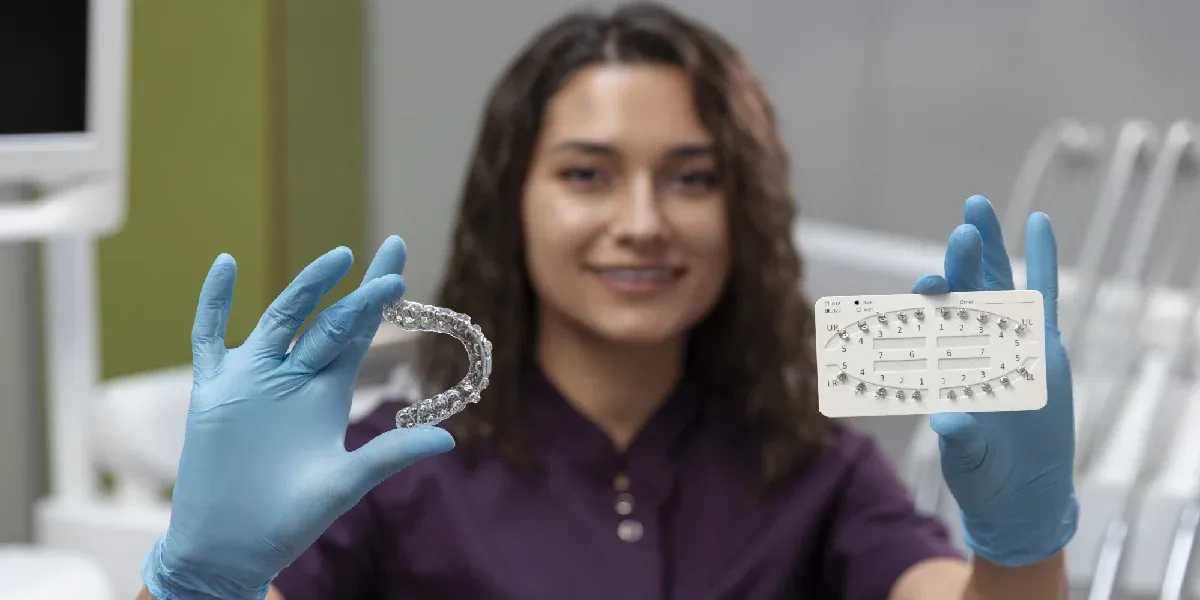
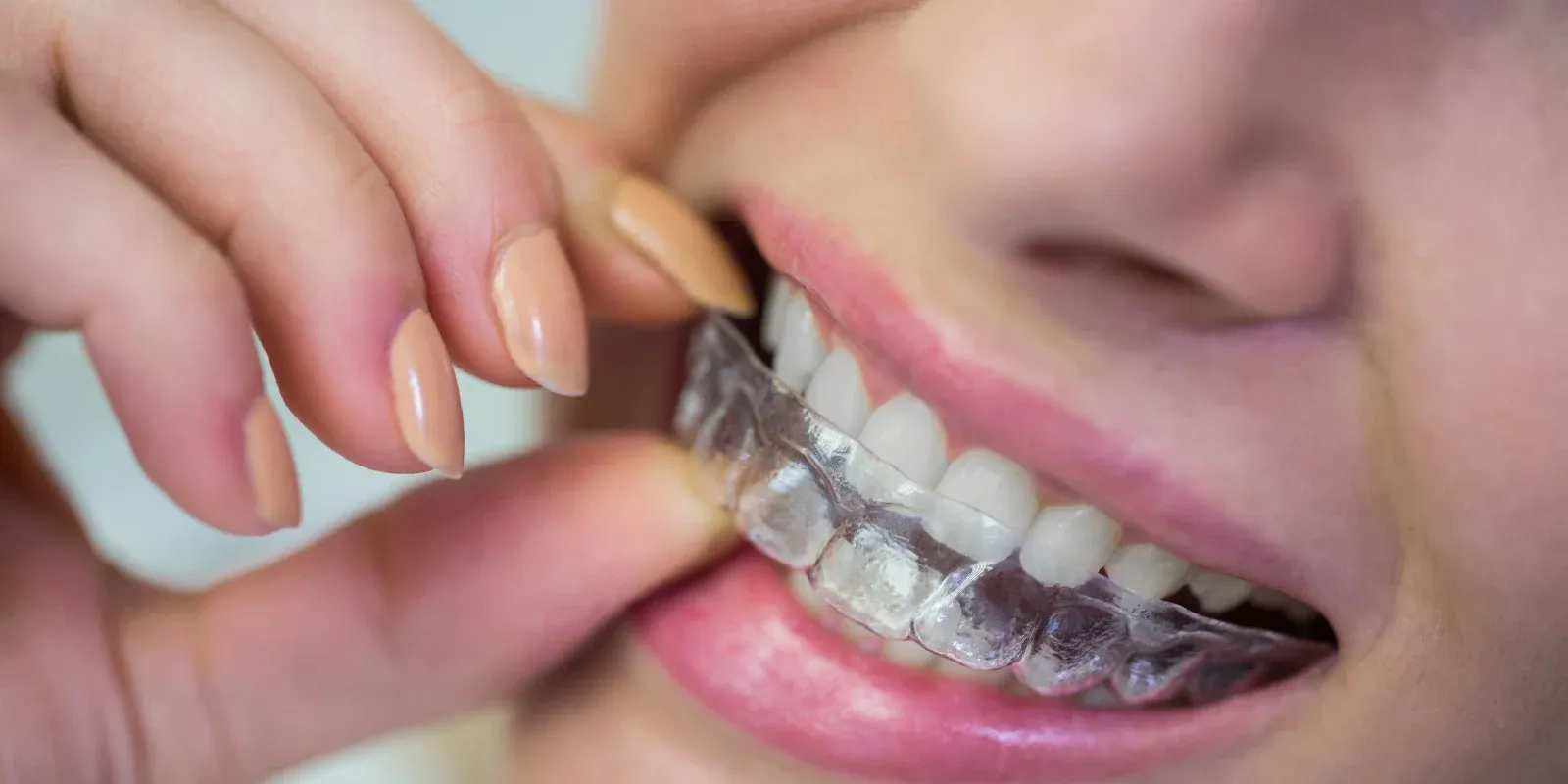
Invisalign uses a series of clear aligners designed to gently shift your teeth into better alignment over time. These aligners apply controlled pressure, which is how they work but that pressure can also cause temporary soreness.
This isn’t the same kind of pain you might associate with dental emergencies. Invisalign discomfort is more like a dull ache or tight feeling. Many patients notice mouth tenderness during the first few days of a new aligner, especially during the early adjustment phase.
Why Invisalign Can Cause Soreness at First
So, why does Invisalign hurt at all? The answer is actually reassuring. That discomfort is a sign that the aligners are doing their job.
Here are a few common reasons Invisalign pain occurs:
Aligner pressure
Each new set of aligners is designed to move your teeth slightly. That pressure can make teeth and surrounding tissues feel sore for a short time.
Orthodontic adjustment
Your mouth isn’t used to the steady force Invisalign applies. During the first few weeks, your teeth, jaw, and gums are adjusting to the movement.
Sensitive tissues
Aligners sit close to your gums, cheeks, and tongue. As your mouth adapts, you may notice oral discomfort or irritation where the aligners rub.
Changes in how you bite
As your teeth begin shifting, your bite may feel different. This can temporarily affect how chewing feels, especially when eating harder foods.
How Long Does Invisalign Pain Last?
One of the most common concerns we hear is, “When does Invisalign pain stop?”
For most patients, discomfort peaks during the first 24–72 hours of wearing a new aligner. After that, the soreness usually fades as your teeth settle into their new position.
Over time, many patients find that each new aligner feels easier than the last. Your mouth learns how to adapt, and the adjustment phase becomes smoother with each step.

Common Types of Invisalign Discomfort
Every patient experiences Invisalign a little differently, but some sensations are more common than others.
Tooth soreness
This is the most reported form of Invisalign pain. Teeth may feel tender, especially when you remove aligners or bite down.
Eating discomfort:
Chewing may feel strange at first. Teeth can feel sensitive, making crunchy or chewy foods less appealing during the first few days.
Tender gums:
While aligners are smooth, they can still cause minor gum tenderness during early stages or if edges rub against soft tissue.
Pressure headaches:
Some patients notice mild headaches when starting Invisalign or switching to a new aligner. This usually fades quickly.
The key thing to remember? These symptoms are typically short-lived.
Comfort Strategies That Can Make a Big Difference
While Invisalign discomfort is normal, there are simple, non-medical ways to manage soreness and eat more comfortably.
Ease into new aligners
Wearing new aligners at night can help. You’ll sleep through the initial pressure, and the worst soreness often passes by morning.
Stick to softer foods when needed
During the first few days, choose foods that are easy to chew. Think yogurt, eggs, soups, pasta, or smoothies. This helps reduce eating pain while your teeth are tender.
Use dental wax for irritation
If aligners rub against your gums or cheeks, a small amount of dental wax can help create a barrier and protect sensitive tissues.
Be consistent with wear time
Wearing aligners as directed helps prevent unnecessary soreness. Inconsistent wear can cause teeth to shift back slightly, making discomfort worse when aligners are reinserted.
Cold compresses for relief
A cold pack applied to the outside of your jaw can help soothe tenderness and reduce pressure-related discomfort.
These comfort strategies don’t eliminate Invisalign pain entirely but they make it much more manageable.
Eating Comfortably with Aligners
Eating with Invisalign doesn’t mean constant discomfort. Since aligners are removed during meals, most patients find eating easier than with traditional braces.
That said, your teeth may still feel sensitive after removing aligners, especially early on. Cutting food into smaller pieces, chewing slowly, and avoiding very hard foods during sore days can help.
Drinking plenty of water can also keep your mouth comfortable and reduce dry or irritated tissues.
When Discomfort Is Normal vs. When to Reach Out
Some Invisalign discomfort is expected. But how do you know when it’s time to check in with your dentist?
Normal and Temporary
- Mild to moderate soreness during the first few days.
- Tightness when inserting new aligners.
- Slight gum tenderness that improves quickly.
Worth a Call to the Dental Office
- Sharp or worsening pain that doesn’t fade.
- Aligners that feel overly tight or don’t fit properly.
- Persistent irritation to gums or soft tissues.
Your dental team can check fit, smooth rough edges, or adjust your plan if needed.
Invisalign Is Designed with Comfort in Mind
Compared to traditional braces, Invisalign is known for being gentler on the mouth. There are no metal brackets or wires, and aligners are designed to be smooth and discreet.
While Invisalign pain can happen, it’s usually brief and manageable and many patients find it far less disruptive than they expected.
"A little pressure today leads to a confident, healthier smile tomorrow."
Conclusion:
Invisalign discomfort is a normal and temporary part of the teeth-straightening process. Understanding why soreness happens and knowing how to manage it can make a significant difference in your overall experience. Most patients find that any initial tightness or tenderness fades quickly as their mouth adjusts, making Invisalign a comfortable and convenient option for achieving a healthier smile.
With expert guidance, realistic expectations, and a few simple comfort strategies, your Invisalign journey can be smooth and stress-free. At Top Pinole Dental, patient comfort and confidence are always a priority, because a straighter smile should feel just as good as it looks.
Resource:
Disclaimer
This media/content or any other on this website does not prescribe, recommend, or prevent any treatment or procedure. Therefore, we highly recommend that you get the advice of a qualified dentist or other medical practitioners regarding your specific dental condition.
Keep Reading
Related Posts